
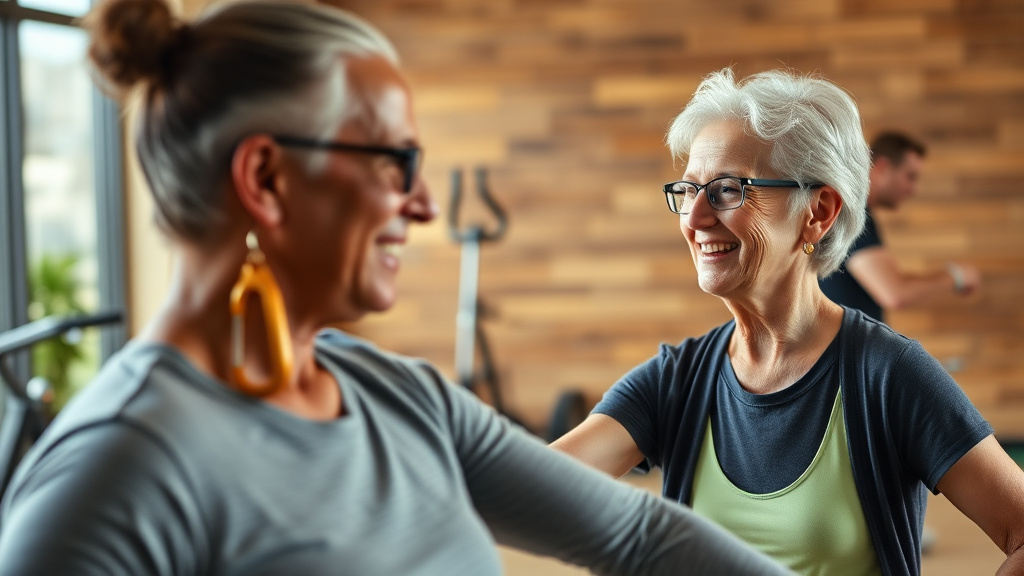
As we grow older, preserving physical fitness becomes increasingly crucial for sustaining self-reliance and quality of life. Current studies demonstrates that workout programs tailored for seniors can dramatically enhance mobility, strength, and overall functional capacity. This article explores research-backed exercise programs designed to address the unique needs of older adults, revealing how targeted physical activity can help prevent falls, strengthen equilibrium, and enable older adults to remain active and self-sufficient in their daily lives.
Positive outcomes of Customized Exercise Programs for Aging individuals
Personalized workout programs tailored to aging populations result in substantial improvements in bodily health and functional ability. These personalized programs focus on age-related changes in muscle mass, bone density, and aerobic capacity, enabling older adults to preserve power and endurance. Studies demonstrate that seniors who follow tailored workout routines experience enhanced balance, improved flexibility, and decreased likelihood of chronic illness. Additionally, these programs boost confidence and emotional health, helping aging individuals to take part more readily in daily activities with greater ease and security.
Beyond physical benefits, customized fitness programs significantly improve independence and quality of life for seniors. By strengthening core muscles and enhancing balance, these programs reduce fall risk and associated injuries that often lead to loss of autonomy. Seniors who take part in customized fitness regimens report increased energy levels, improved sleep, and better brain function. Furthermore, group exercise classes foster social connections and community engagement, combating isolation while promoting emotional wellness and sustained wellness for older populations.
Key Parts of Effective Exercise Programs for Seniors
Well-designed senior exercise routines integrate multiple types of physical activity to address the varied health needs of aging adults. These well-rounded initiatives incorporate strength training, flexibility work, balance exercises, and cardiovascular conditioning to create a balanced fitness approach. By including these essential components, older adults can enhance physical gains, reduce injury risk, and preserve the functional abilities required for independent living and enjoying an physically active life.
Resistance Training and Flexibility Work
Resistance exercise serves as the foundation of older adult fitness initiatives by combating age-associated muscle loss, a condition referred to as sarcopenia. Regular resistance exercises using light weights, resistance bands, or bodyweight movements support muscle mass, bone density, and metabolic function. This increased strength enables better capacity to perform everyday tasks like climbing stairs, carrying groceries, and rising from chairs, substantially improving functional independence and decreasing injury risk from falls in older populations.
Flexibility and stretching exercises are equally important for maintaining joint mobility and avoiding stiffness that commonly accompanies aging. Gentle yoga, tai chi, and dedicated stretching routines enhance your range of motion, reduce muscle tension, and strengthen posture. These practices also encourage relaxation and emotional health, advancing a whole-person approach to older adult health that covers both physical fitness and emotional well-being for overall quality-of-life enhancements.
- Resistance bands provide customizable workout choices safely.
- Lightweight weights build muscle without undue strain on joints.
- Exercise using body weight improve functional strength and balance.
- Yoga increases flexibility and promotes mindful movement practices.
- Regular stretching preserve range of motion and reduce stiffness.
Implementing and Maintaining Long-Term Exercise Success
Creating a sustainable fitness program demands commitment, but the long-term benefits for older adults are substantial. Success begins with setting realistic objectives and progressively boosting intensity over time. Working with medical professionals or qualified trainers guarantees exercises are appropriate for personal health needs and fitness levels. Consistency matters more than effort—regular, moderate activity done 3-5 times per week yields better results than sporadic intense exercise sessions. Tracking progress through basic measurements like miles covered or workouts finished offers encouragement and accountability, helping seniors stay engaged with their exercise goals.
Preserving motivation over months and years requires diverse activities and social connection. Fitness groups, walking clubs, or household fitness companions create accountability and help physical activity feel rewarding rather than tedious. Acknowledging achievements, whether recovering stair-climbing capacity or increasing walking endurance, solidifies beneficial lifestyle shifts. Adapting exercises as physical condition strengthens prevents boredom and ongoing improvement. Additionally, combining physical exercise with proper nutrition, adequate sleep, and effective stress control develops an integrated strategy to maintaining health with age, ensuring older adults can maintain their autonomy and energy throughout their later years.
