
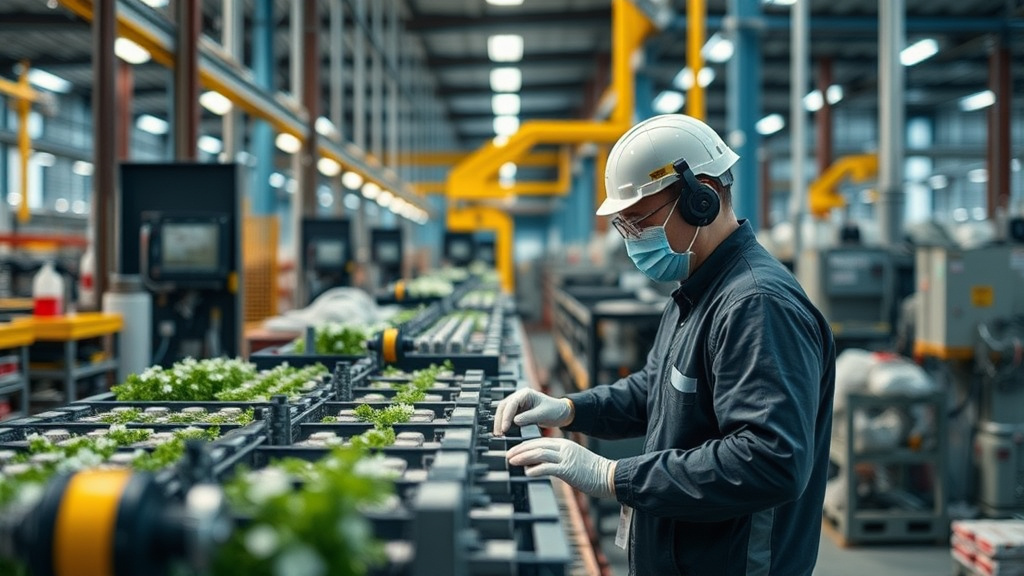
As environmental concerns intensify and consumer demand for sustainable goods surges, international manufacturers are substantially reshaping their manufacturing approaches. From lowering greenhouse gas output to cutting waste generation, market frontrunners are investing in sustainable technologies and practices that deliver both environmental benefits and sustained financial returns. This article examines how major manufacturers are transforming their processes, the obstacles they encounter in this shift, and the innovative solutions propelling the movement toward a greener industrial future.
The Rise of Eco-Friendly Manufacturing
The production industry is experiencing a significant change as companies understand the critical importance of environmental responsibility in their operational processes. Propelled by rigorous regulatory requirements, shareholder demands, and shifting consumer preferences, manufacturers globally are reimagining their manufacturing operations. This shift represents more than compliance—it indicates a strategic recognition that environmentally responsible approaches can enhance operational efficiency, lower expenses, and improve corporate image. Top manufacturers are committing substantial capital in green technologies, clean energy alternatives, and circular economy models that minimize environmental impact while sustaining competitive edge in an increasingly eco-conscious worldwide marketplace.
Environmental responsibility in production encompasses several key areas, from responsibly sourcing raw materials to reducing energy use and effectively managing waste streams. Companies are implementing advanced technologies such as artificial intelligence, Internet of Things sensors, and automated systems to monitor and reduce their environmental footprint. Past technological advancement, this movement demands significant shifts in corporate culture, supply chain management, and stakeholder engagement. As manufacturing leaders demonstrate that sustainability and profitability are compatible goals, their achievements is driving widespread adoption across the industry of sustainable practices, generating momentum that is set to transform the manufacturing sector for years ahead.
Main Reasons Behind the Transition
The shift toward environmentally responsible production is driven by various interconnected forces reshaping the international manufacturing environment. Compliance standards, market expectations, and competitive pressures are driving manufacturers to focus on ecological accountability. Additionally, technological advancements in alternative energy and waste reduction have made sustainability economically viable, allowing businesses to reduce operational costs while satisfying stakeholder expectations for environmentally friendly operations.
Regulatory Compliance and Requirements
Governments across the globe are rolling out more rigorous environmental regulations that mandate sustainable manufacturing practices. The European Union’s Circular Economy Action Plan, carbon pricing mechanisms, and emissions trading schemes create legal imperatives for manufacturers to implement cleaner production methods. Non-compliance risks major penalties, supply chain disruptions, and reputational damage, requiring firms to commit resources to sustainable infrastructure and processes to keep market access and operational legitimacy.
International agreements and national sustainability regulations define clear performance standards that producers must meet. These legal requirements accelerate development of emissions reduction, disposal practices, and resource efficiency. Businesses that proactively align with emerging regulations gain competitive advantages, securing public sector deals and partnerships with environmentally conscious partners while steering clear of expensive penalties and operational restrictions.
Market Demand and Market Forces
Modern shoppers increasingly prefer environmentally responsible products, influencing purchasing decisions and brand loyalty. Market research shows that sustainable practices improve brand reputation and customer engagement, particularly among younger demographics. Manufacturers meeting this demand capture growing market segments, differentiate themselves from competitors, and build stronger customer relationships through clear communication on environmental commitments and eco-friendly product options.
Investors and financial institutions are favoring sustainable companies, allocating investment to companies showing environmental stewardship. This capital-driven incentive motivates manufacturers to implement eco-friendly methods, as availability of funding becomes dependent on ecological performance standards. Businesses committed to sustainability attract socially conscious investors, improve share values, and lock in advantageous loan conditions while positioning themselves advantageously in an expanding eco-aware worldwide market.
Implementation Strategies and Advantages
Manufacturing companies are adopting comprehensive implementation strategies to incorporate sustainability into their core operations. Key approaches involve investing in clean energy alternatives, modernizing with energy-efficient machinery, and establishing circular economy principles that decrease waste output. Many organizations are also deploying lean production methods and undertaking routine sustainability assessments to uncover areas for enhancement. These strategies require significant capital investment and staff training programs, yet companies recognize that forward-thinking initiatives today avert substantial regulatory penalties tomorrow while strengthening their competitive standing.
The advantages of sustainable production practices go well past environmental protection. Companies report substantial cost savings through lower energy usage, decreased disposal fees, and enhanced process efficiency. Enhanced brand reputation appeals to eco-aware customers and investment partners, while better workplace morale and employee retention result from working for purpose-driven organizations. Additionally, sustainable practices often lead to new product innovations and efficiency enhancement, creating emerging business opportunities and income sources that compensate for startup expenses, ultimately delivering substantial ROI.
